
At Vertiente de La Chimba Norte, removing waste from the water is not a simple act.
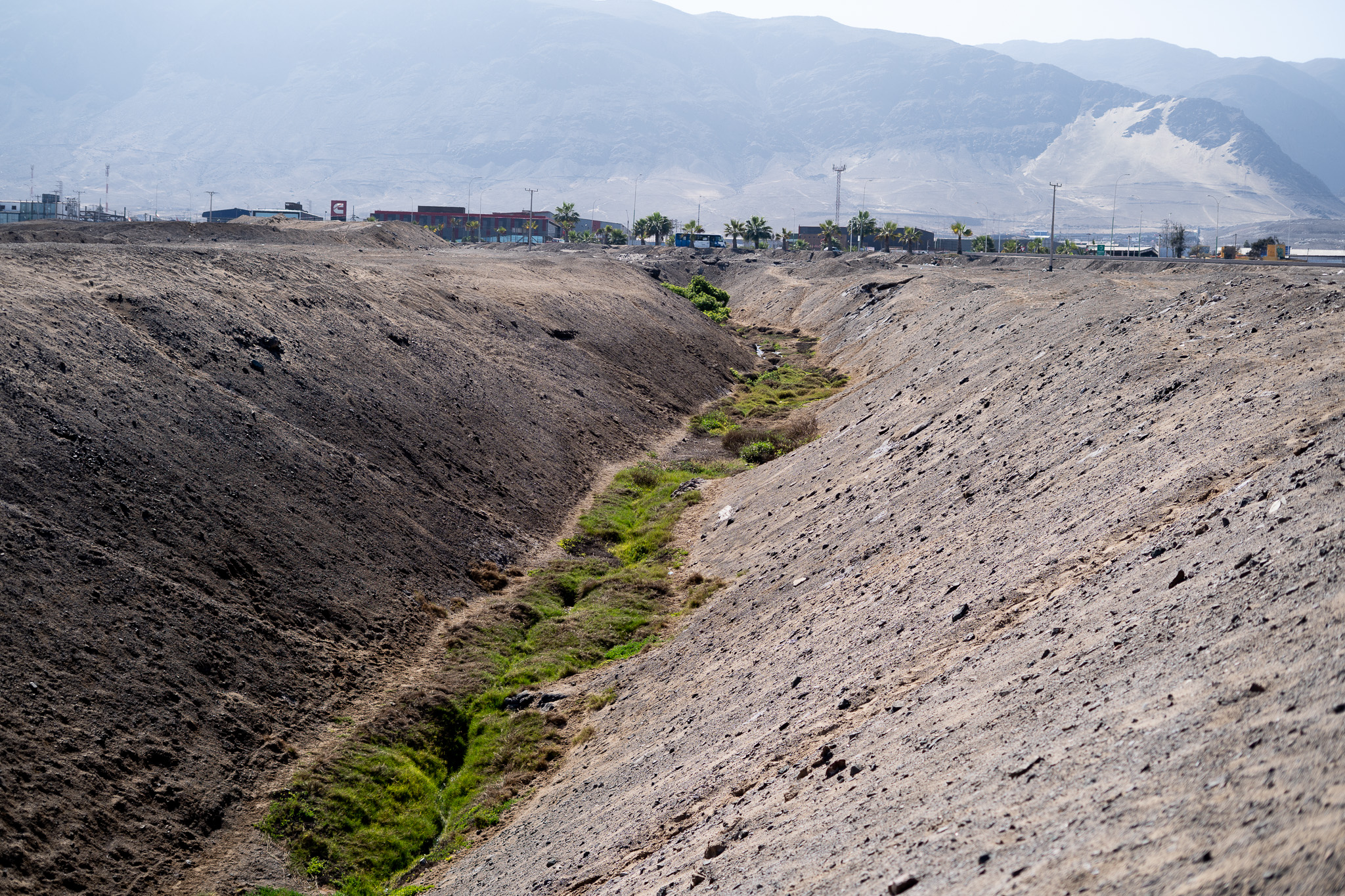
On Sunday, 30 August 2026, Raíces Endémicas held a three part activity at Humedal Urbano Vertiente de La Chimba Norte, in Antofagasta, northern Chile. An environmental education workshop, a guided visit with community monitoring, and a waste cleanup. It ran for roughly two and a half hours through the morning. Thirteen people registered through the public form, ranging in age from 8 to 56. Eighteen took part on the day.
The three parts did not happen one after another. They happened at the same time, along the same walk, and that is what this article is about.
A wetland of 0.42 hectares
The site is a protected urban wetland. It was declared in January 2023 under Chile’s Law 21.202 through Resolución Exenta N° 0067, signed by the Ministry of the Environment. Its official delimitation covers 0.42 hectares across four polygons and 193 vertices, running from its head in the east to the beach sector in the west.
The origin of the water is not established. The official file states that there is no certainty about where the surface water comes from, and presumes groundwater. Samples were left pending physical and chemical analysis. We say presumed because that is what the file says.
Why a cleanup here is not a neutral act
Zero point four two hectares is small. Small enough that it produces no signal in the global Earth observation products used to map surface water. Small enough that a single morning of work covers the entire site, from the head to the sea.
It is also small enough that what you remove matters as much as how much you remove.
A spring snail lives in and around the watercourse. The official field campaigns identified it only to genus, as Heleobia sp. It attaches itself to surfaces: to stones, to vegetation, and to the objects that end up in the water. A bag or a bottle pulled out of the stream can come out with snails on it. Which means that removing waste without knowing this can remove the animals along with it.
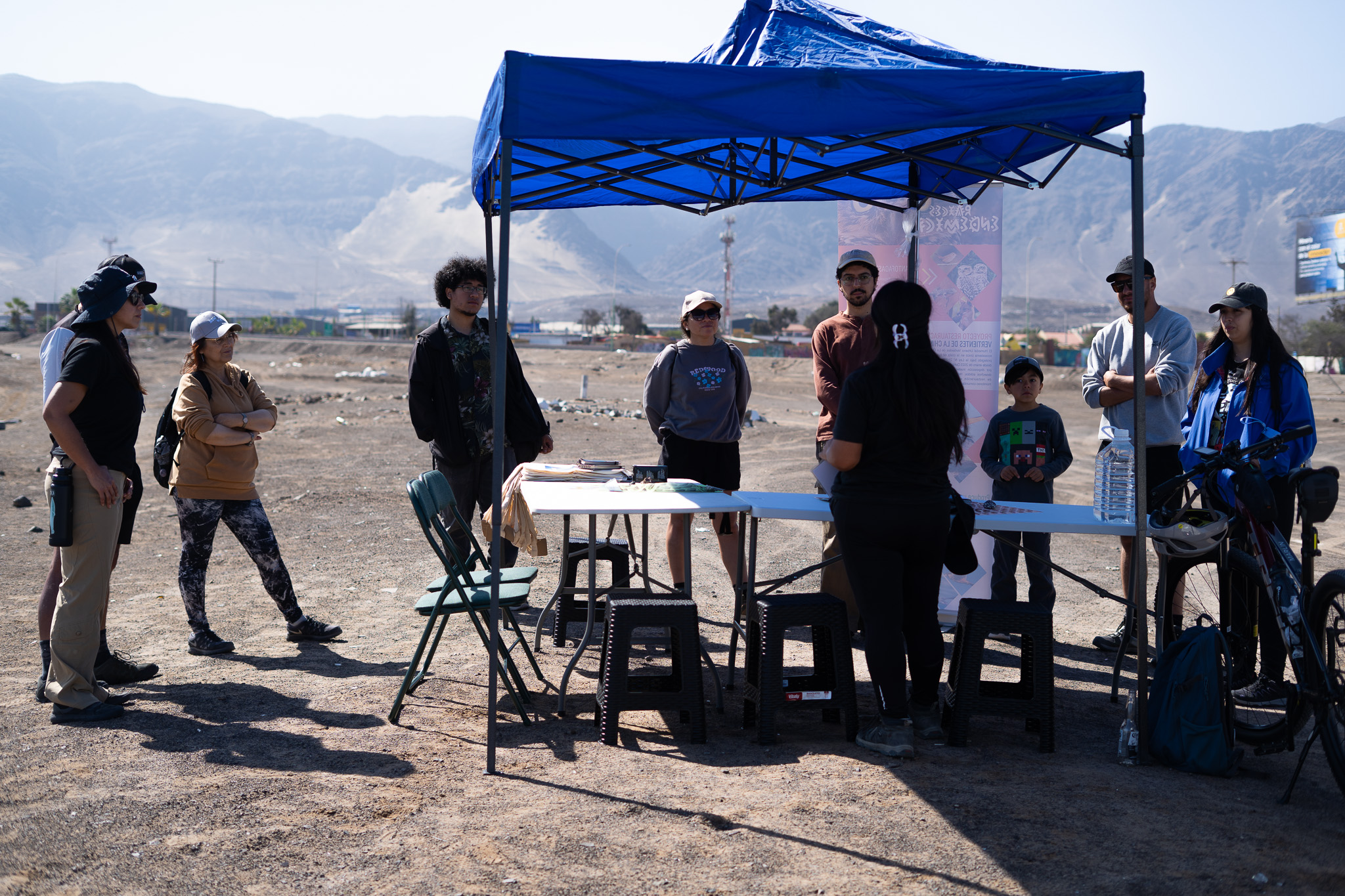
So the teaching could not be something that happened first and then ended. Carmen Serrano, President of Raíces Endémicas, led the day, and the decision on the ground was to fold the workshop into the walk rather than deliver it beforehand. There was a short opening at the entrance, and after that the explaining happened where it was needed: next to the water, at the moment someone was about to lift something out of it.
Nine of the thirteen registered participants had signed up for the workshop specifically. In practice all of them received it, because it was no longer a separate part of the day.
The gesture
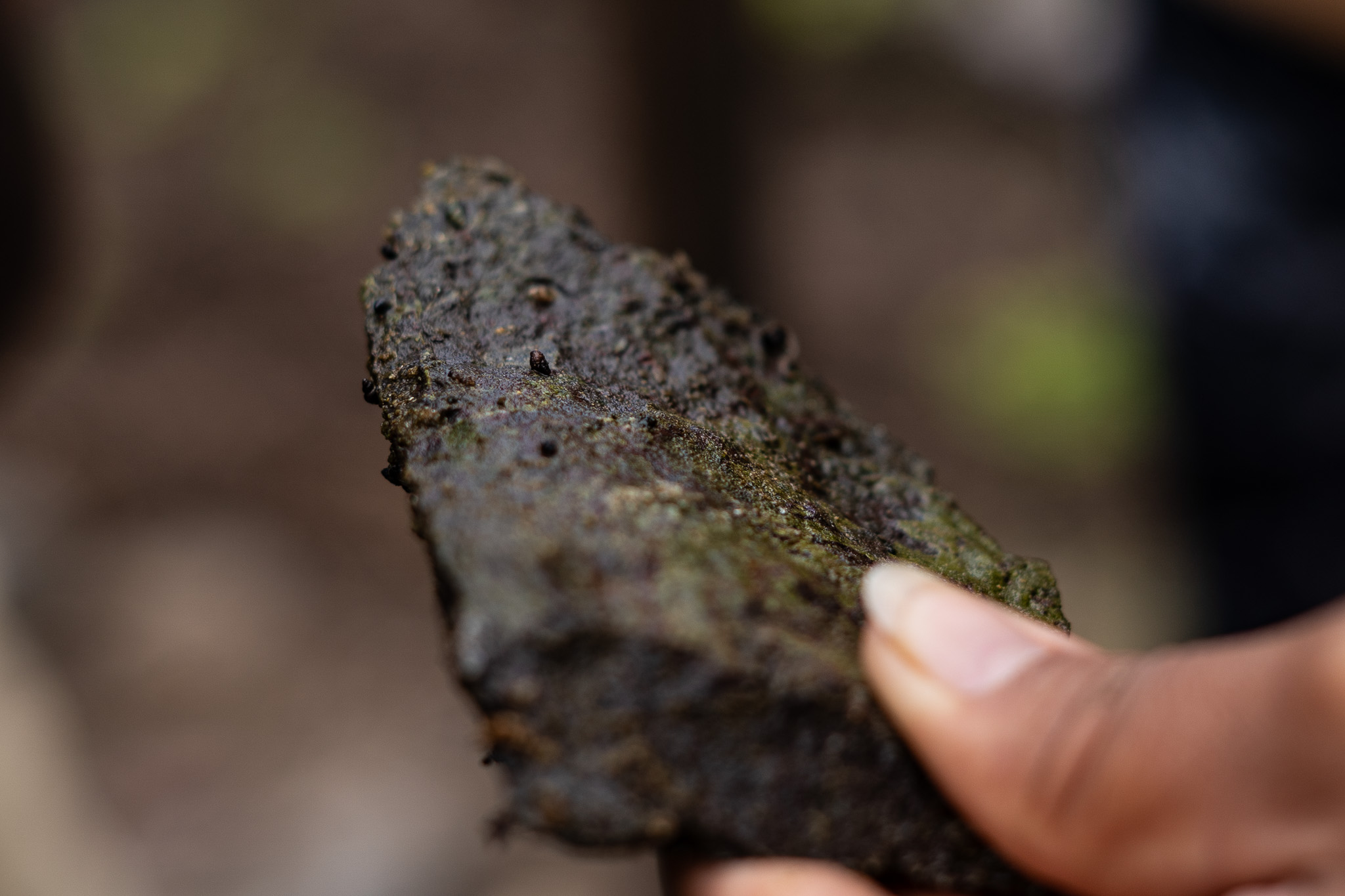
This photograph is the reason the article exists. It is a stone, held in a hand, and the dark marks across its surface are snails.
Once you have seen this, the cleanup changes. You do not reach into the water and pull. You look at what you are about to lift, you check what is attached to it, and you separate what is alive from what is waste before the waste goes into the bag. It takes longer. It is also the difference between removing rubbish from a wetland and removing part of the wetland.
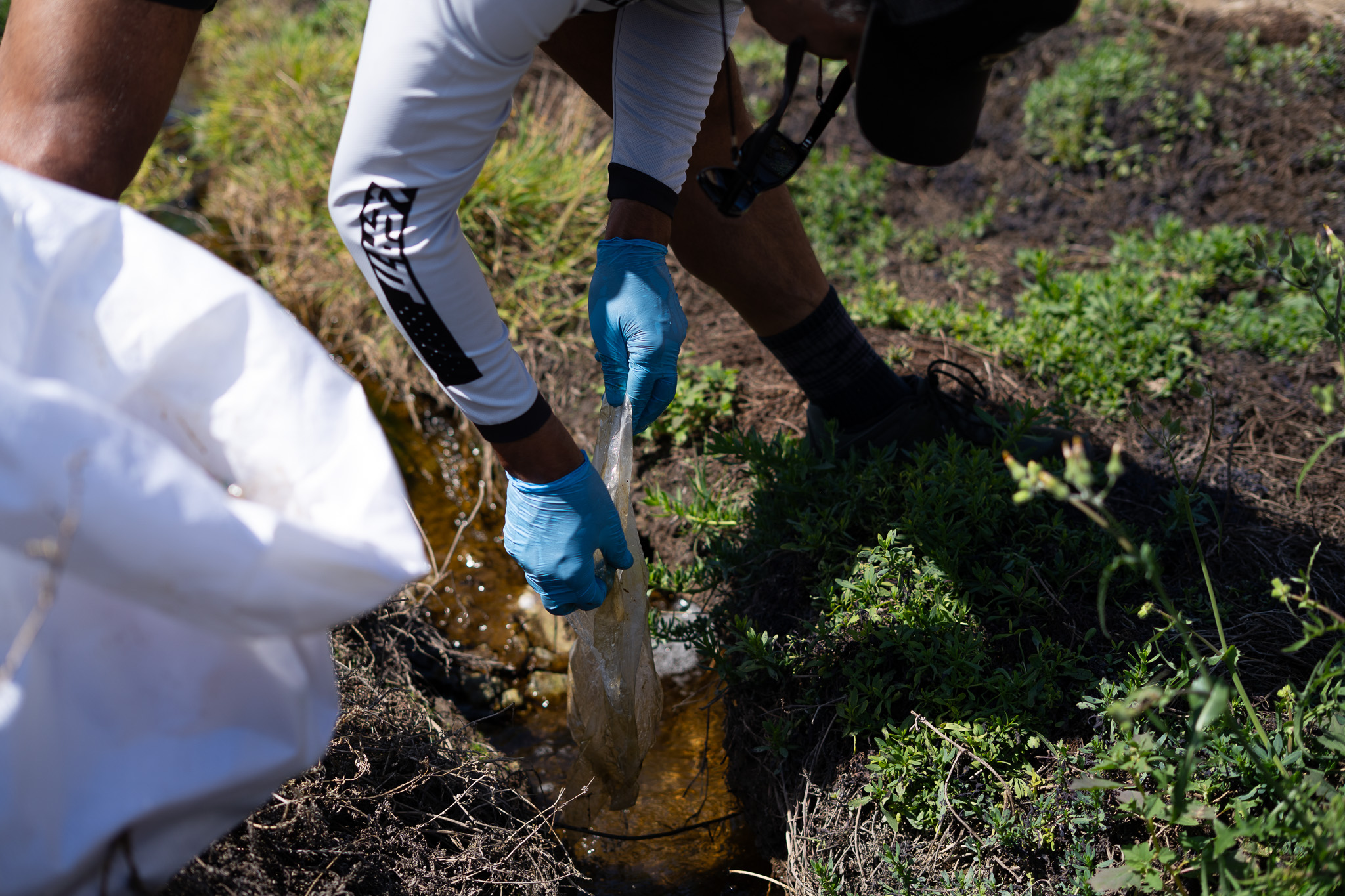
What the day covered
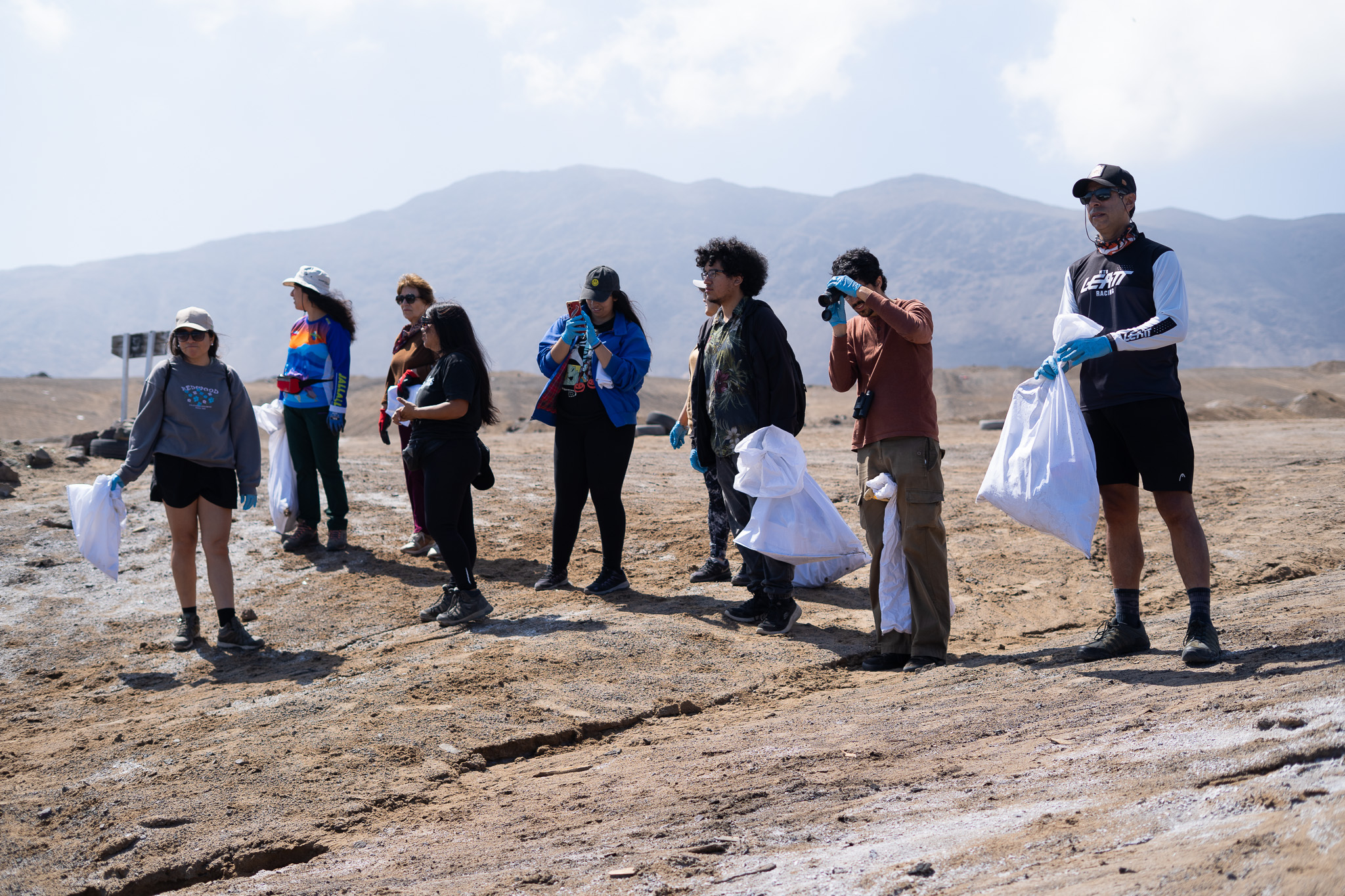
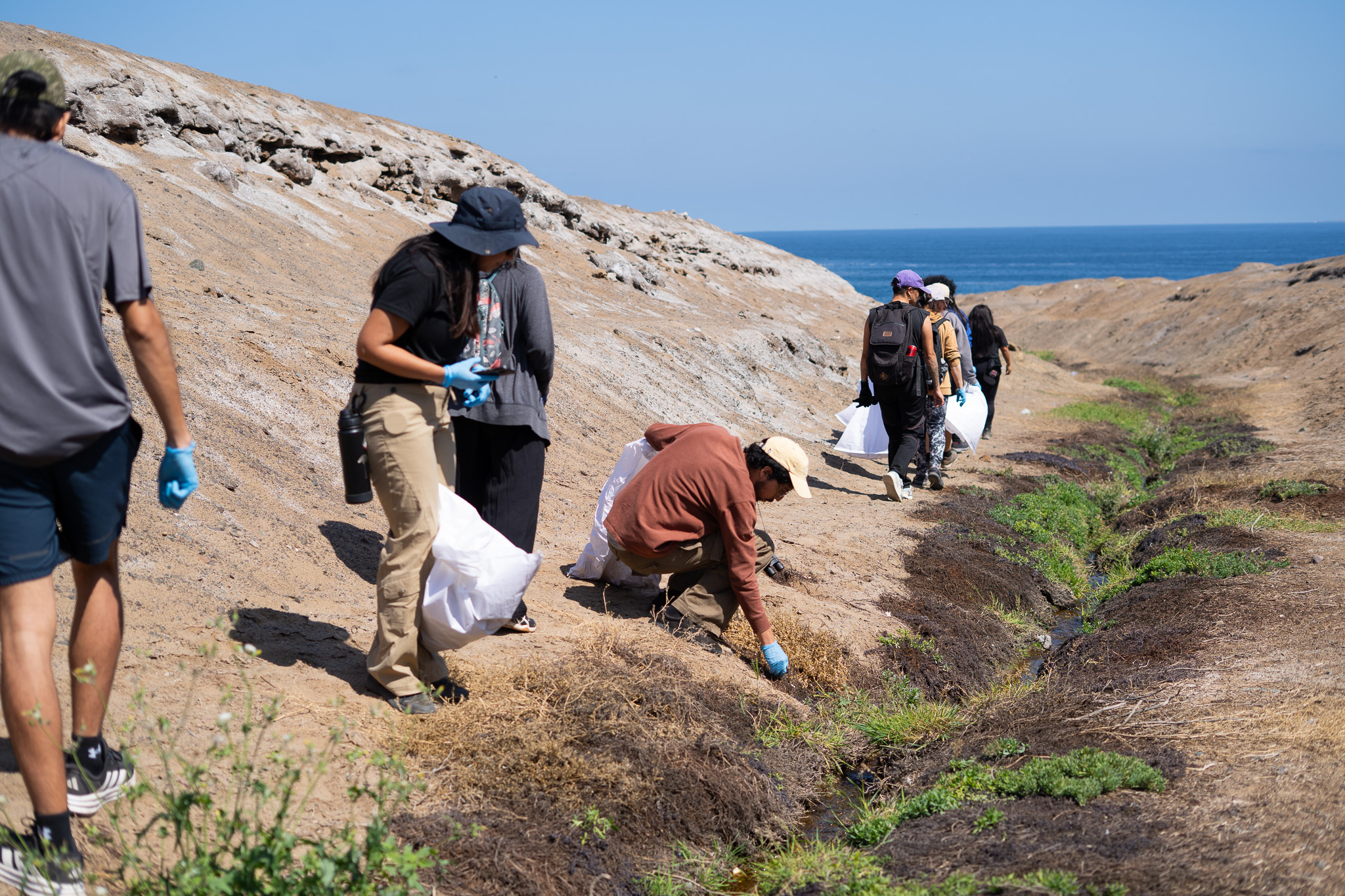
The group walked the length of the wetland from its head to the beach sector, collecting waste along the way and stopping wherever there was something to look at. Binoculars were used for fauna observation. Eleven of the thirteen registered participants had signed up for the guided visit and monitoring component.
The site was not heavily littered that day. That is worth saying plainly, because it sets the scale: this was never an operation measured in tonnes. It was a slow pass along a small watercourse by people who had just been shown what lives on the things they were picking up.
Five sacks of waste came out of the watercourse over the morning: plastic bags, bottles, fragments of plastic and some wood, later collected by the municipality for disposal.
Along the walk the team recorded turkey vultures, American oystercatchers, gulls, a hummingbird and a ground-tyrant, together with the spring snail on stones in the water. The turkey vulture is not among the nine bird species listed in the official file for the site.
The walk also recorded pressures: new points where waste is beginning to accumulate, tracks of vehicles and motorbikes, and domestic dogs.
What we can and cannot say about the species
The lizard that lives at the site is Microlophus atacamensis, the Atacama runner. It is classified as Least Concern under Chile’s official species classification system, DS 16/2016. The municipal technical factsheet for the wetland labels it as Vulnerable. That label is an error, and the national classification governs.
The spring snail is confirmed only to genus. The municipal factsheet names it to species and assigns it a threat category. The environmental authority’s own field teams did not confirm either, recording it as probably of the genus Heleobia. We follow the field teams.
None of the nine bird species documented in the official file holds a threatened conservation category.
The dominant vegetation, including Agrostis stolonifera, is introduced rather than native. It is what defines the wetland’s legal boundary, because coverage above fifty percent of hydrophytic vegetation is one of the two criteria that triggered the delimitation. It is not a remnant of anything original.
Who does what
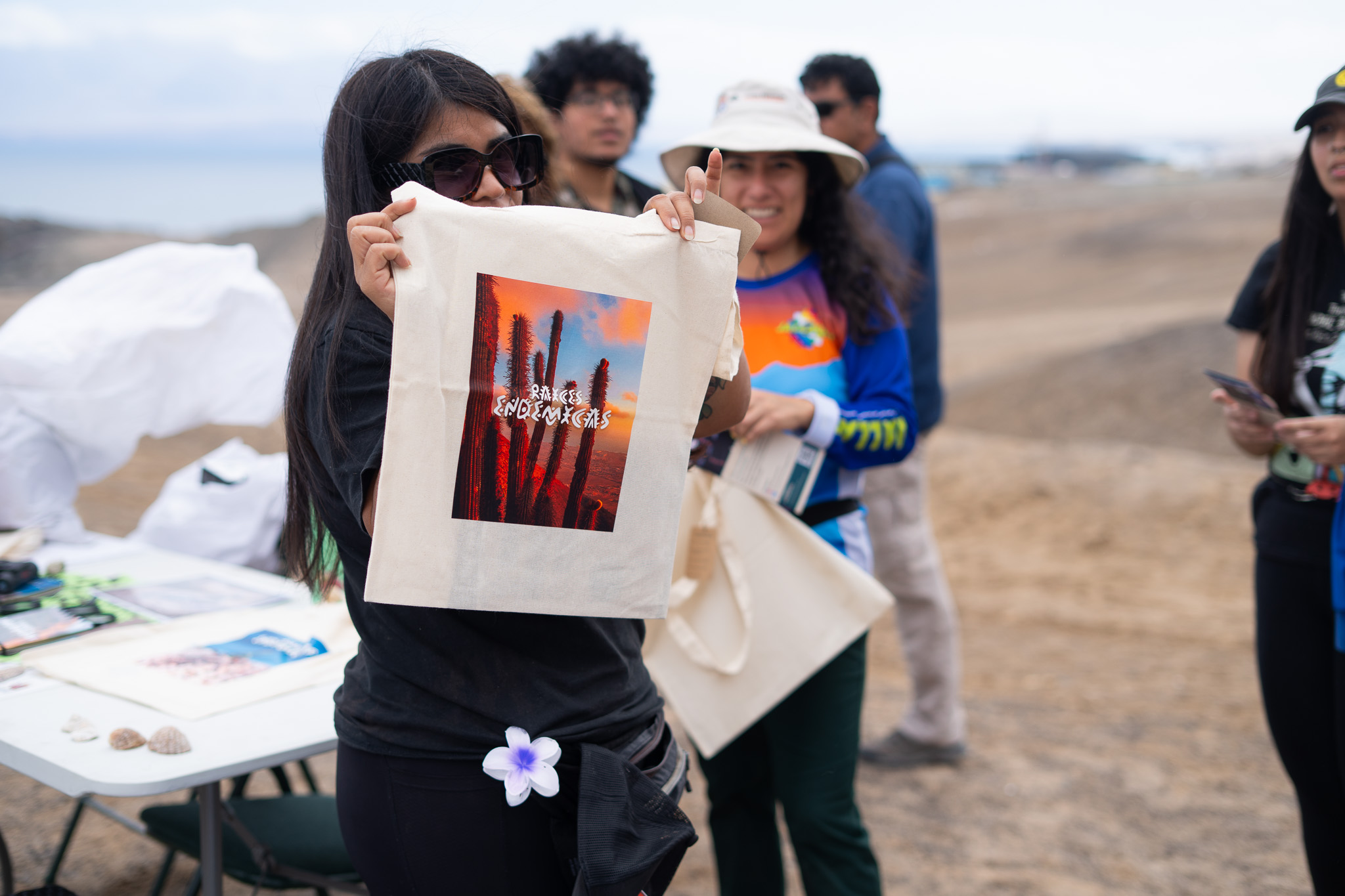
Raíces Endémicas has been working at this wetland since well before we existed. They convene, they lead, they know the site and the people around it. Every activity described here was designed and carried out by them.
GoSphere Environmental Action ry funds and documents. This activity is one of eleven agreed with Raíces Endémicas through September 2026 under a bilateral convention. Of the funds raised in our first campaign, 83 percent goes to project activities in Chile and 17 percent to documented campaign costs. That split was published before we started raising money, not after.
We are a bridge, not a field organisation. The distinction matters, because the credibility of this work belongs to the people who do it on the ground.
What we did not measure
We did not conduct systematic bird counts using replicable methods. We did not sample water quality. We did not estimate biodiversity indices. We did not measure hectares restored in any technical ecological sense, and no such claim should be read into this article.
What happened was a workshop, a walk, and a cleanup, documented in writing and in photographs. Records like these can support a credible long term picture, but only if they accumulate across many activities and are later complemented by more systematic methods. We would rather under claim now than over claim early.
What comes next
The remaining activities of the operational cycle continue through September 2026, documented through the same structured reporting used here. Field forms are completed by Raíces Endémicas and processed by GoSphereX.
The consolidated financial record will be published once the cycle closes and the formal report to the Finnish Police Department is complete.
All photographs: Jorge Peña / Raíces Endémicas.
Pienkeräysnumero RA/2026/413 (Helsinki Police Department). Organisers: Alejandro Araya (Chairperson), Soile Araya (Vice-Chairperson), Jenni Keväänvirta (Secretary), board members of GoSphere Environmental Action ry (Y-tunnus 3583160-5). Contact: contact@gospherex.com