
Two guided visits at Vertiente de La Chimba Norte, one week apart. Nine people, mostly families with children, on the first Saturday; a smaller group of adults on the next. The wetland stayed the same. What each group noticed did not.
Guided visits as part of the cycle
Between June and September 2026, the operational cycle at Vertiente de La Chimba Norte includes cleanup operations, environmental education workshops, interpretive signage, and guided visits with community monitoring. This article documents two of those guided visits, held two Saturdays apart, and led on the ground by our local partner Raíces Endémicas.
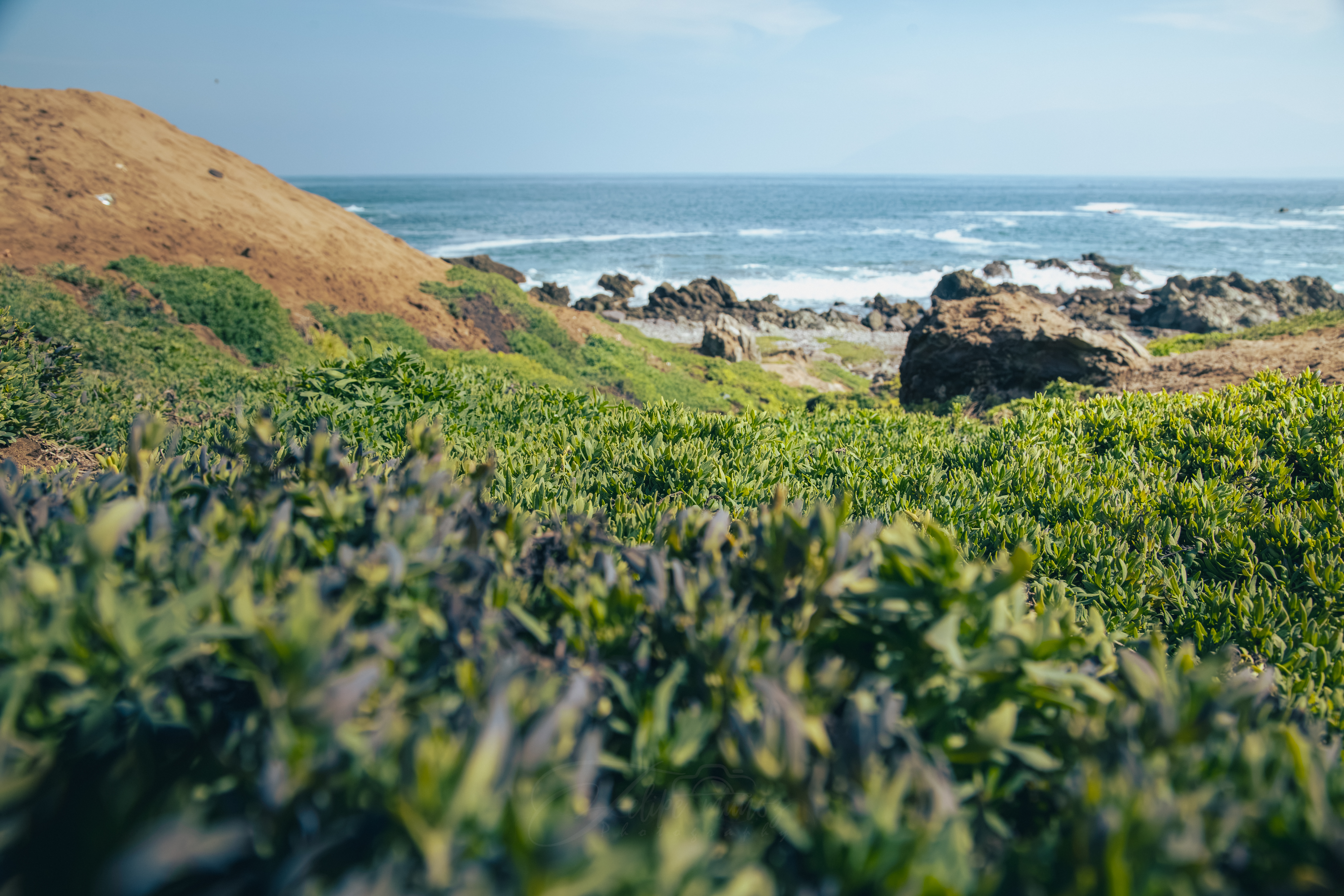
The idea behind a guided visit is simple. A small urban wetland is easy to walk past. It sits at the edge of the city, next to informal construction and accumulated waste, and to an untrained eye it can read as empty ground rather than a living ecosystem. A guided visit turns that walk into a reading. Someone who knows the site points out where the water runs, which birds use it, which plants hold the streambed, and why a 0.42-hectare patch of vegetation in the coastal desert is worth protecting at all.
Raíces Endémicas has documented and defended this wetland for years. Our role, as a small Finnish NGO, is to channel support transparently and to make the work visible. These visits were part of the activities supported by our first fundraising campaign, of which 83% (€2,000) was transferred to Raíces Endémicas for work at the site, and 17% (€400) covered documented campaign costs.
Two Saturdays, two groups
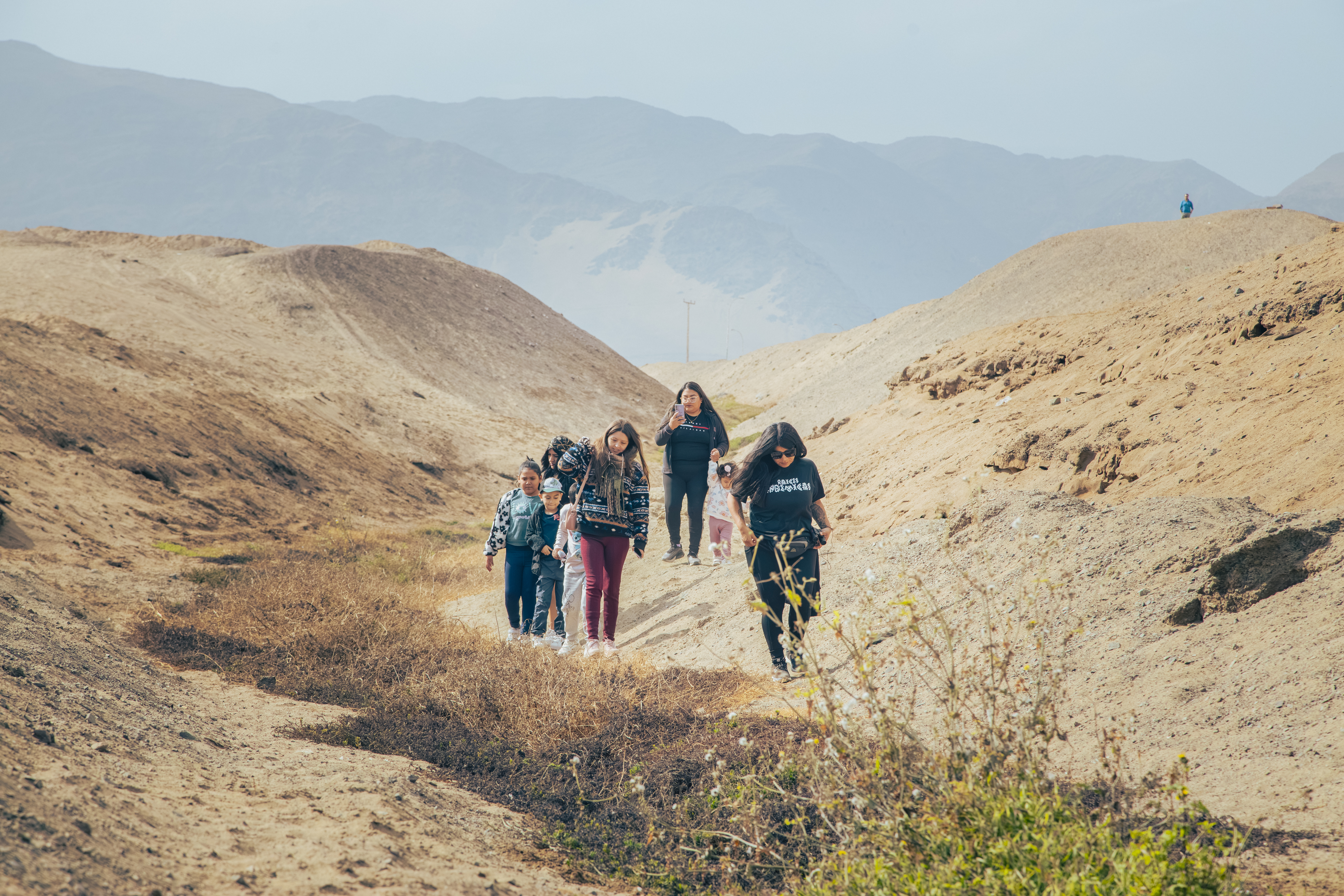
The first visit, on Saturday, June 27, was organized for families. Nine people walked the site, most of them families with the children in their care. The second visit, on Saturday, July 4, was organized for adults: a smaller group of six. Both were led by Carmen Serrano, President of Raíces Endémicas, and both followed the same route across the wetland, from the vegetated sectors toward the discharge point at the Pacific.
Holding two visits for two different audiences was deliberate. A wetland does not change much from one Saturday to the next. The people who visit it do. Watching how a group of curious children reads the site, and then how a group of adults reads it a week later, is a good way to understand what environmental education in situ actually does.
The families’ visit: June 27
The first group, nine people in all, walked the site on a cool, overcast morning. Before the visit, the Raíces Endémicas team had cleared the water courses and vegetation, removing two large sacks of waste, so the group could move through the wetland without the most visible layer of trash in the way.
What stood out was the children. According to the field notes from Raíces Endémicas, they were curious and engaged, asking questions and wanting to learn. One of the adults responsible said it was the first time she had brought the children to an activity of this kind, and that she was glad she did.
That sentence is worth pausing on. A wetland is not an obvious place to take a child in a city where the desert and the sea get all the attention. The fact that a family found their way to a small protected wetland, and left wanting to come back, is exactly the kind of quiet result these visits are meant to produce.
The adults’ visit: July 4
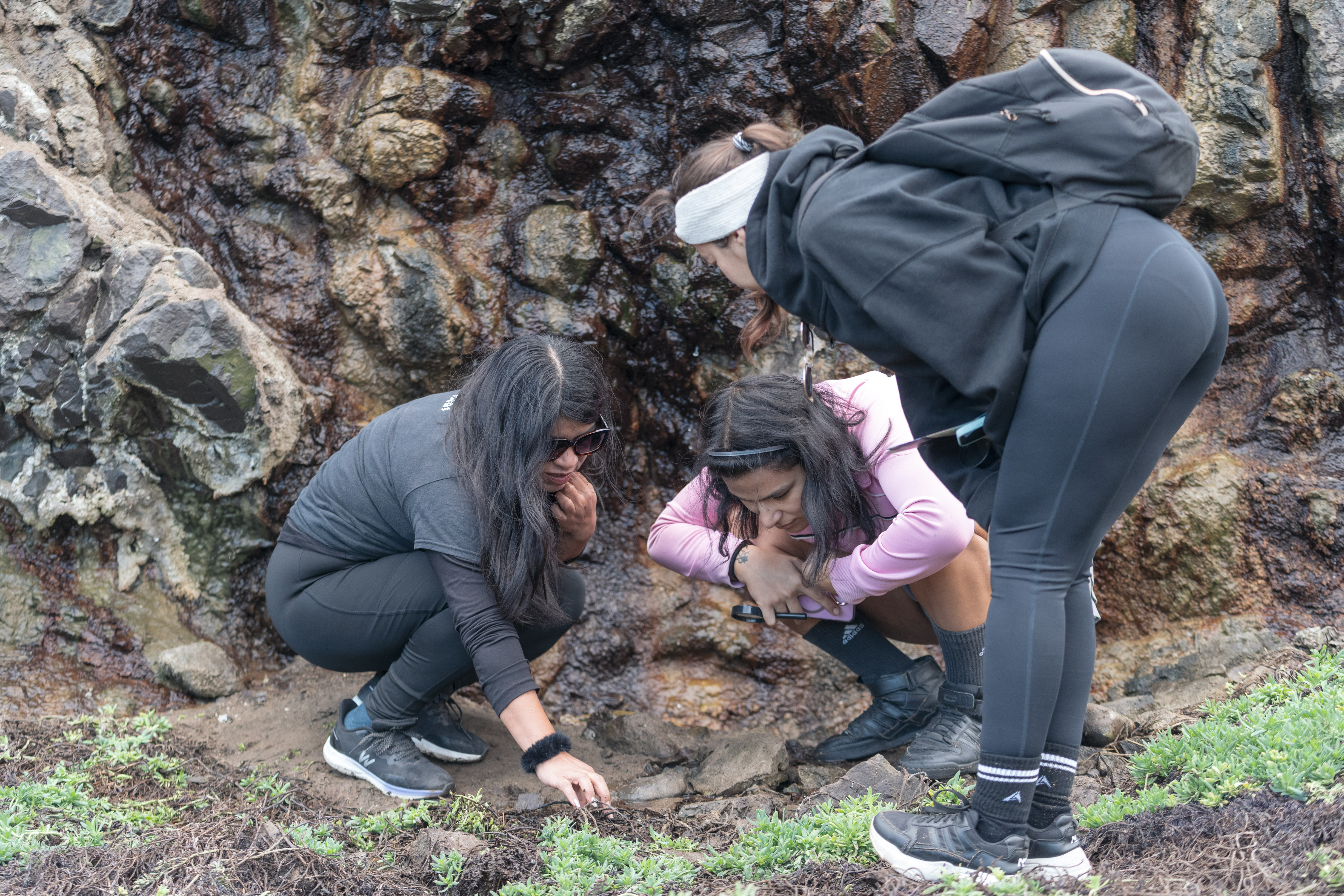
The second visit, the following Saturday, had a different texture. This was a smaller group of adults, and the walk became more of a conversation. The team went through the work of Raíces Endémicas, the international partnership that now supports it, and an interpretive reading of what the wetland shows: the water, the vegetation, the birds, the pressures.
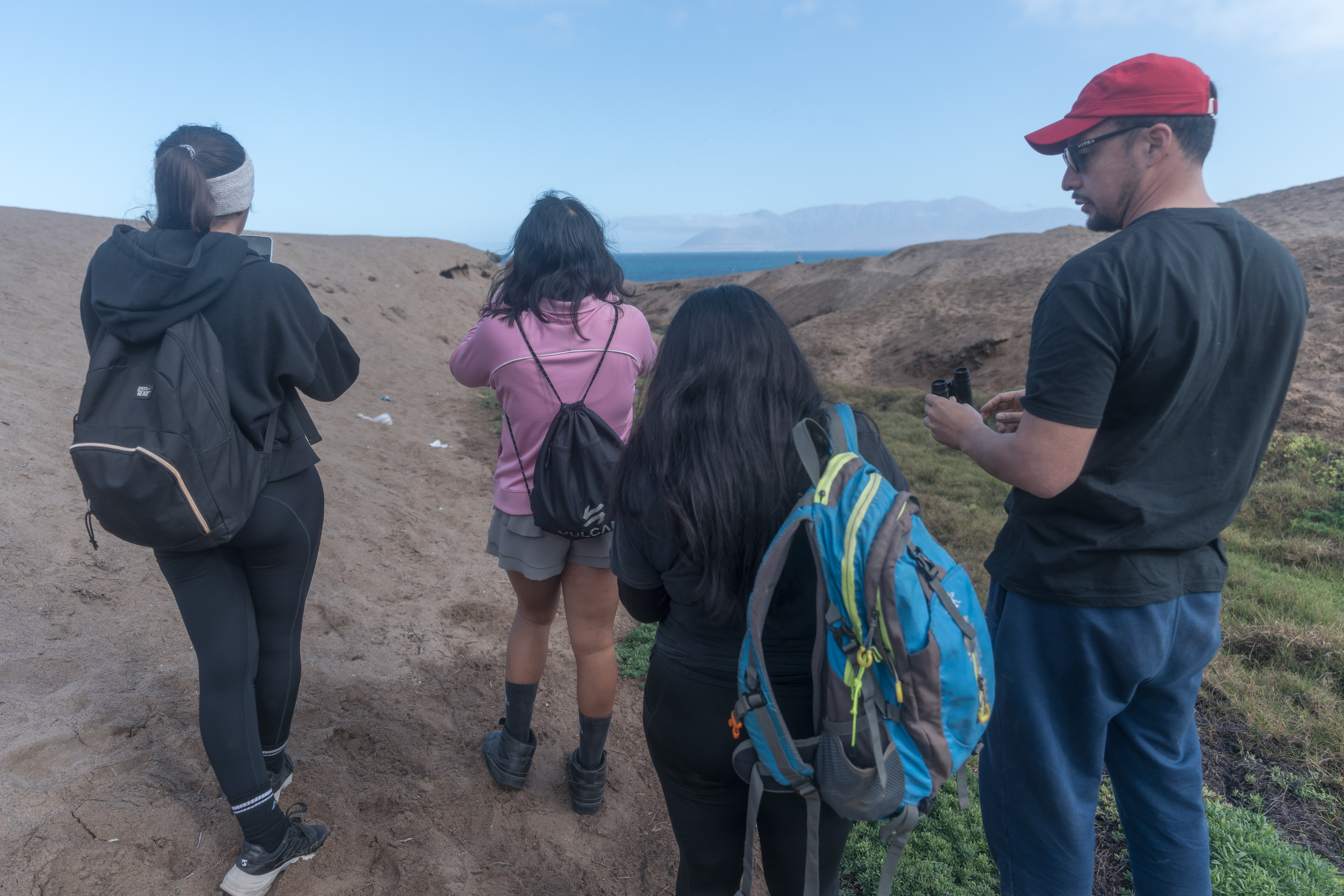
Two moments from this visit say something about the wetland’s place in the city. First, one participant remarked that they had not known the wetland existed, and found it striking that it survives in the middle of such a heavily impacted area. That reaction, coming from an adult who lives in Antofagasta, is the clearest possible statement of the problem these visits address. A legally protected wetland can sit inside a city for years and still be invisible to the people who live around it.
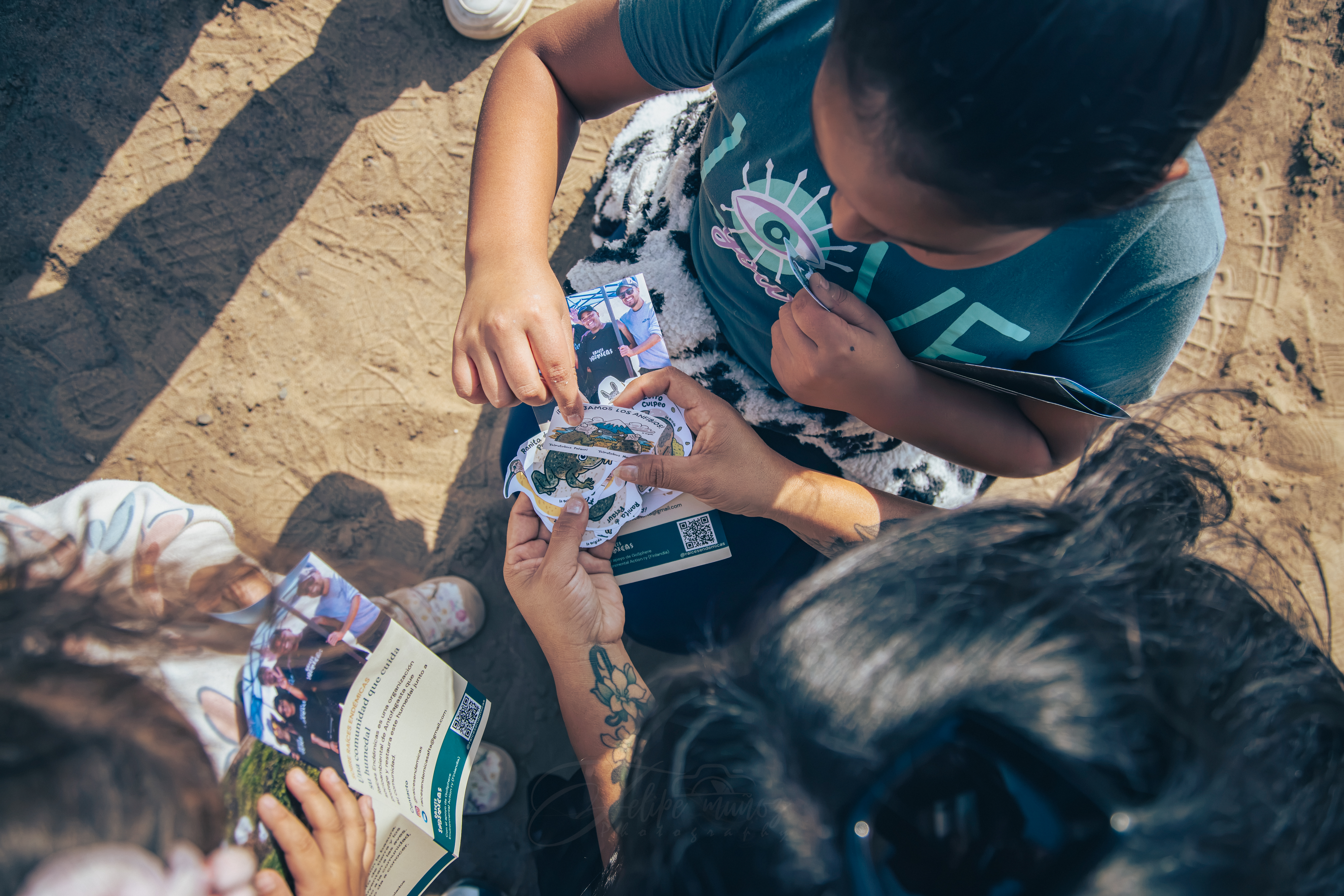
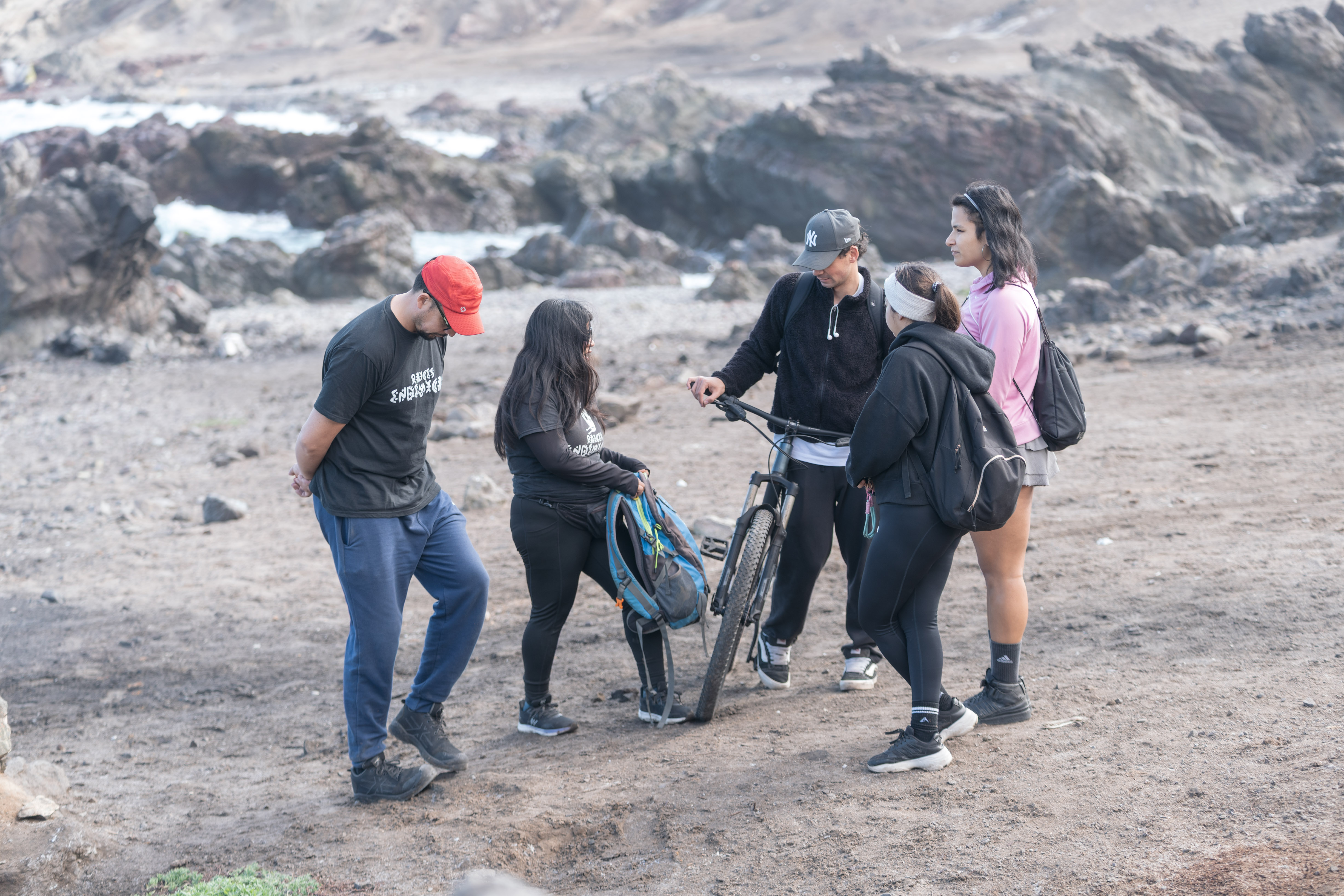
Second, a person who happened to be passing through the area on a bike stopped and joined the visit. The team handed them one of the project’s informational leaflets, and they stayed. A guided visit that picks up a passer-by along the way is doing something right.
What the wetland showed
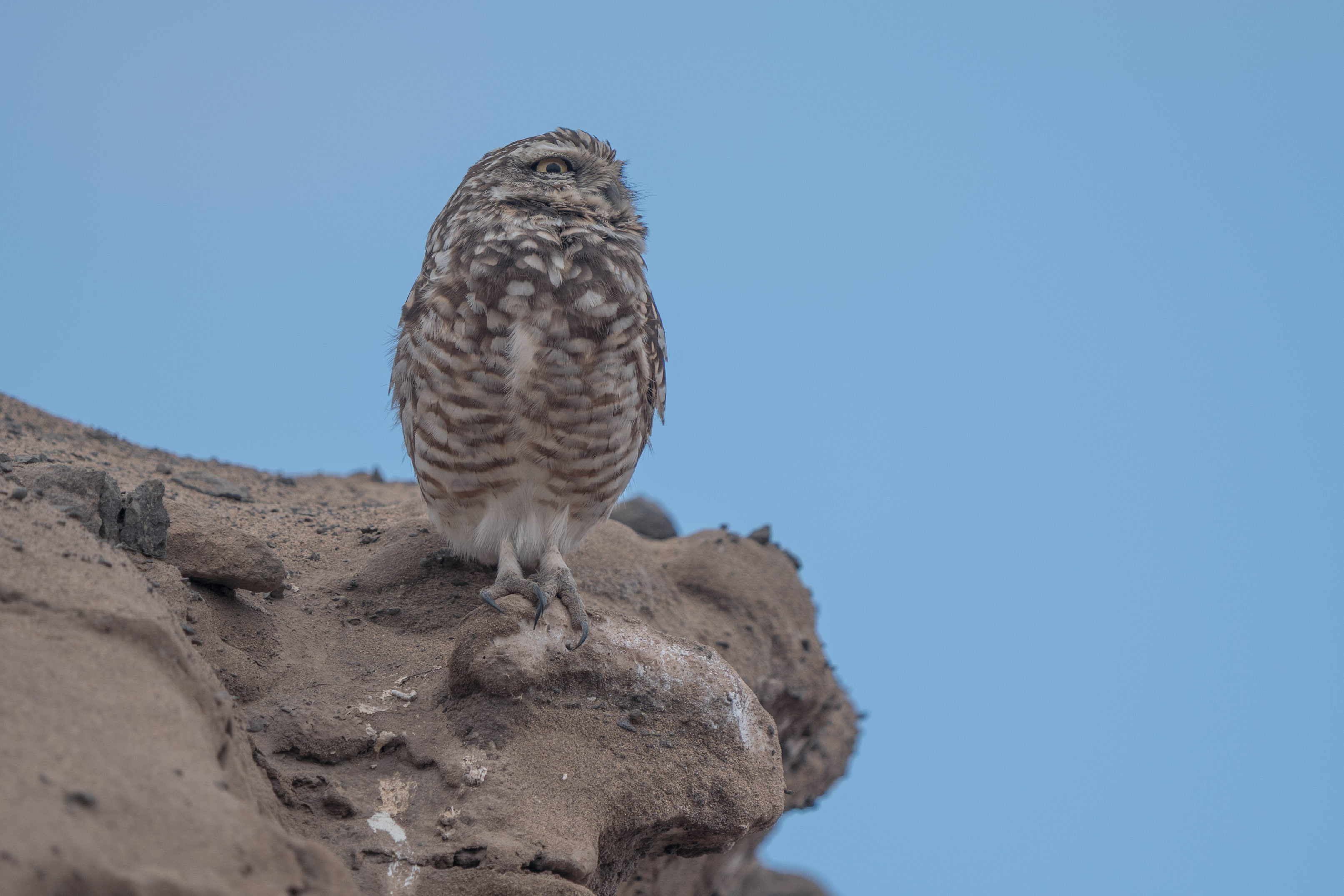
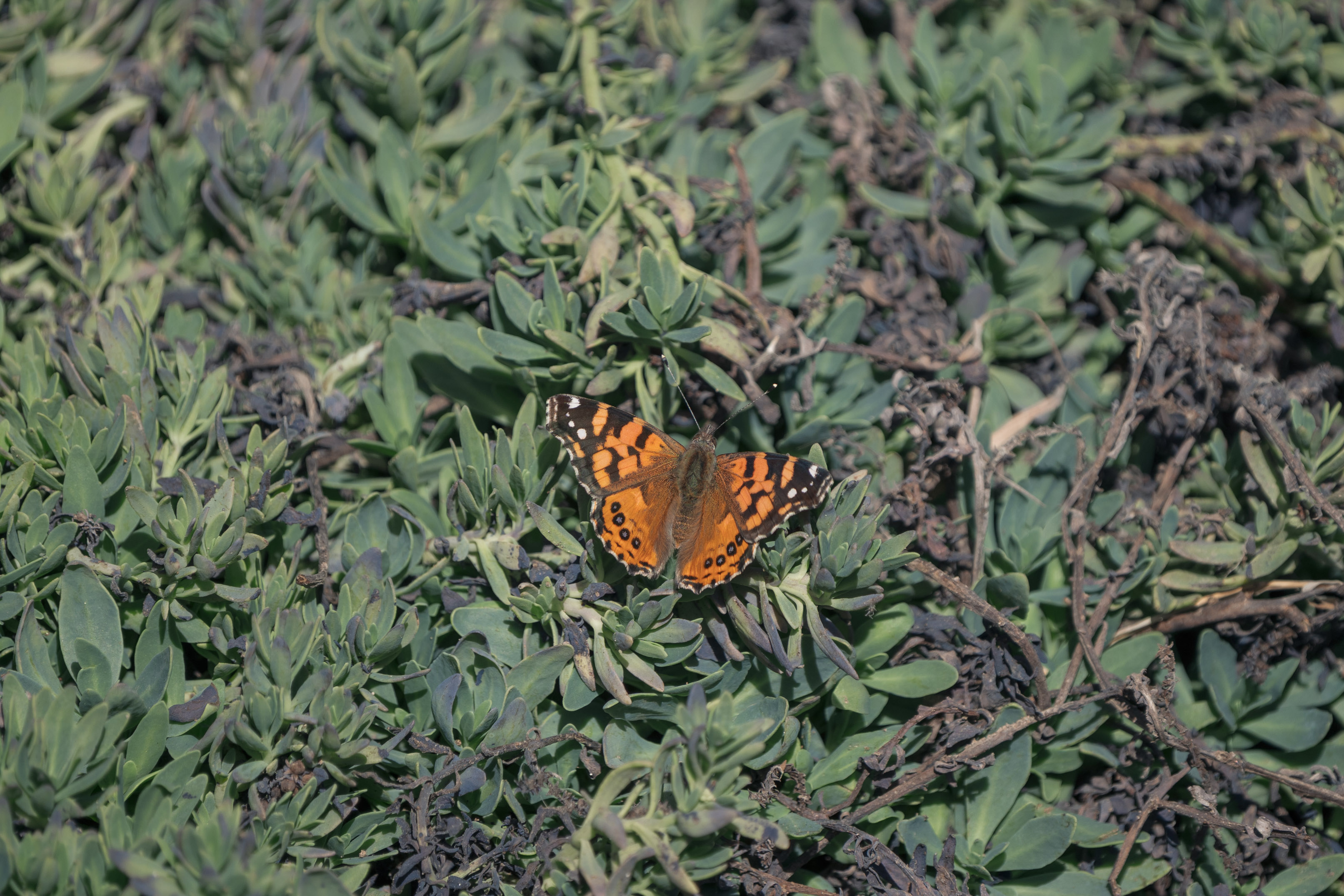
Across both visits, the team recorded a consistent picture of the site. Surface water was present but reduced compared with earlier in the season. Interestingly, while the visible channel carried less water near the surface, the ground closer to the discharge point held more moisture, and new plant growth was sprouting even as some of the older vegetation had dried back. The team read this as a sign that the site could support more vegetation in the months ahead.
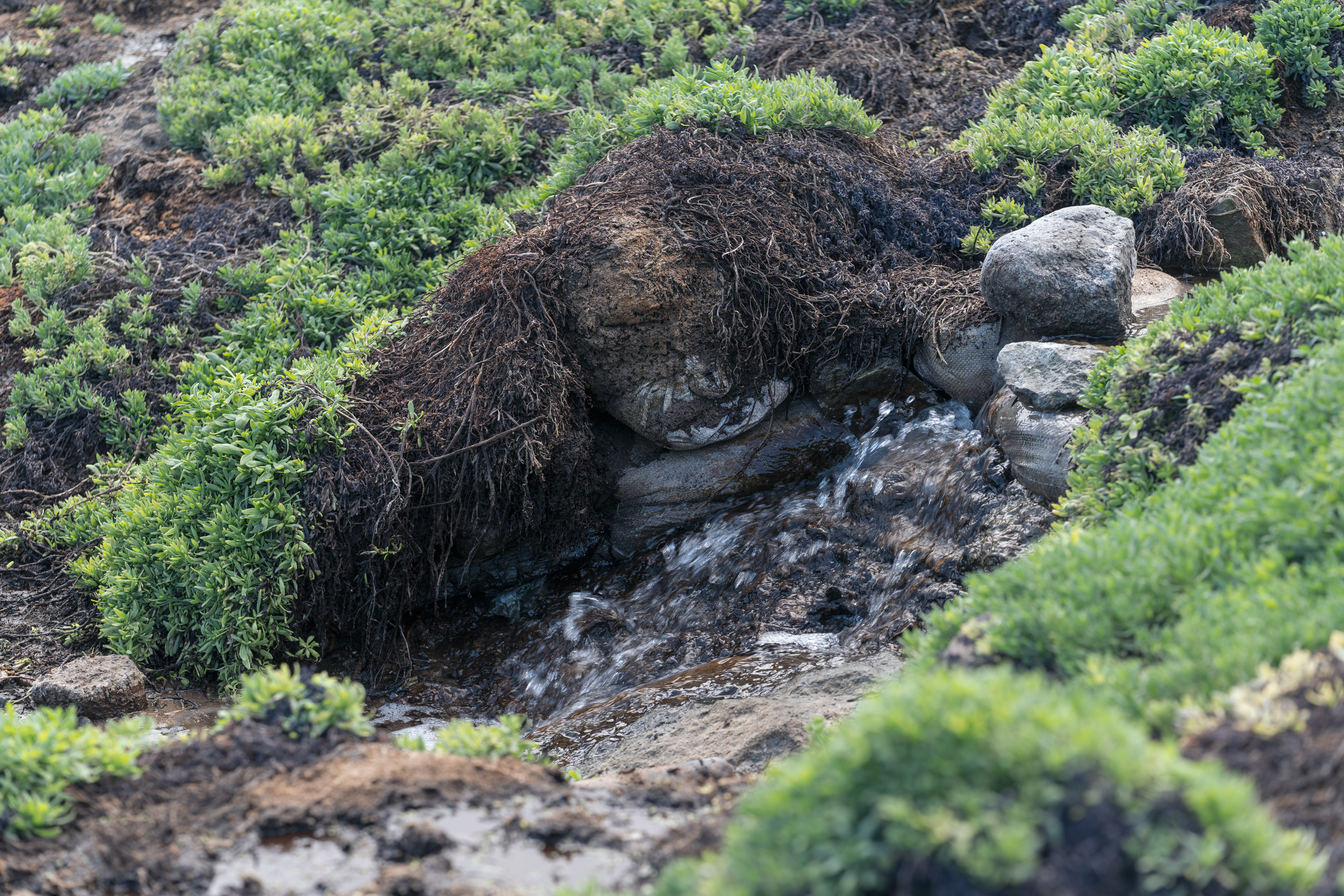
The group observed several bird species during the walks, including the burrowing owl (Athene cunicularia) and gulls, along with vultures, a small tyrant flycatcher, and a pelican. None of the bird species documented at this wetland carries a threatened conservation status under Chile’s official Species Classification Regulation (RCE). Their presence is a positive signal: the wetland continues to offer rest and feeding to local and visiting fauna. As always, presence alone does not confirm ecosystem health, and we are careful not to over-read a couple of mornings of observation.
The main pressure identified was the same one that shapes everything at this site: solid waste, and the small dumping points that keep appearing around the wetland’s edge.
What these visits cost
The guided visits used funds from the amount transferred to Raíces Endémicas. Two documented purchases supported the educational work: a set of magnifying glasses and binoculars for observation in the field, and a print run of informational leaflets used during the visits.
As with every expense in this project, each purchase is backed by a receipt and will be consolidated in the formal financial accountability report (tilitys) that GoSphere Environmental Action ry will submit to the Finnish Police by August 2026, as required by Finnish small fundraising law. We will publish the consolidated expense record once the operational cycle is complete and the report has been filed.
What we did not claim
To stay honest about scope: a guided visit is not a scientific survey. We did not conduct systematic bird counts using replicable methods. We did not sample water quality. We did not measure vegetation cover in any technical sense. What the team did was walk the site with a community group, point out what was there, record general observations, and note the pressures and signs of change.
These are the observations of two mornings, made by people who know the site well, and they are recorded as exactly that. They add to a long-term picture only when accumulated across many visits and complemented later with more systematic methods. We prefer to under-claim now and let the record build.
What comes next
More activities are planned at the site through September 2026, including environmental education workshops and the installation of two interpretive signs currently in production. Each activity is documented through the same structured reporting system: field forms completed by Raíces Endémicas and processed by GoSphereX, with the consolidated record made public as the cycle advances.
The two visits documented here were small. Nine people one Saturday, six the next. But a small wetland is defended one visit at a time, by the people who keep showing up to look at it closely. That is the work these visits are part of.
Acciones con propósito.
Actions with purpose.Carmen Serrano, President, Raíces Endémicas
Pienkeräysnumero RA/2026/413 (Helsinki Police Department, valid 31.03.2026–29.06.2026). Organizers: Alejandro Araya (Chairperson), Soile Araya (Vice-Chairperson), Jenni Keväänvirta (Secretary), board members of GoSphere Environmental Action ry (Y-tunnus: 3583160-5). Funds support community-led wetland restoration at Vertiente de La Chimba Norte (Antofagasta, Chile) implemented by Raíces Endémicas, and environmental education activities of GoSphere Environmental Action ry in Finland. Contact: contact@gospherex.com